
 Glass
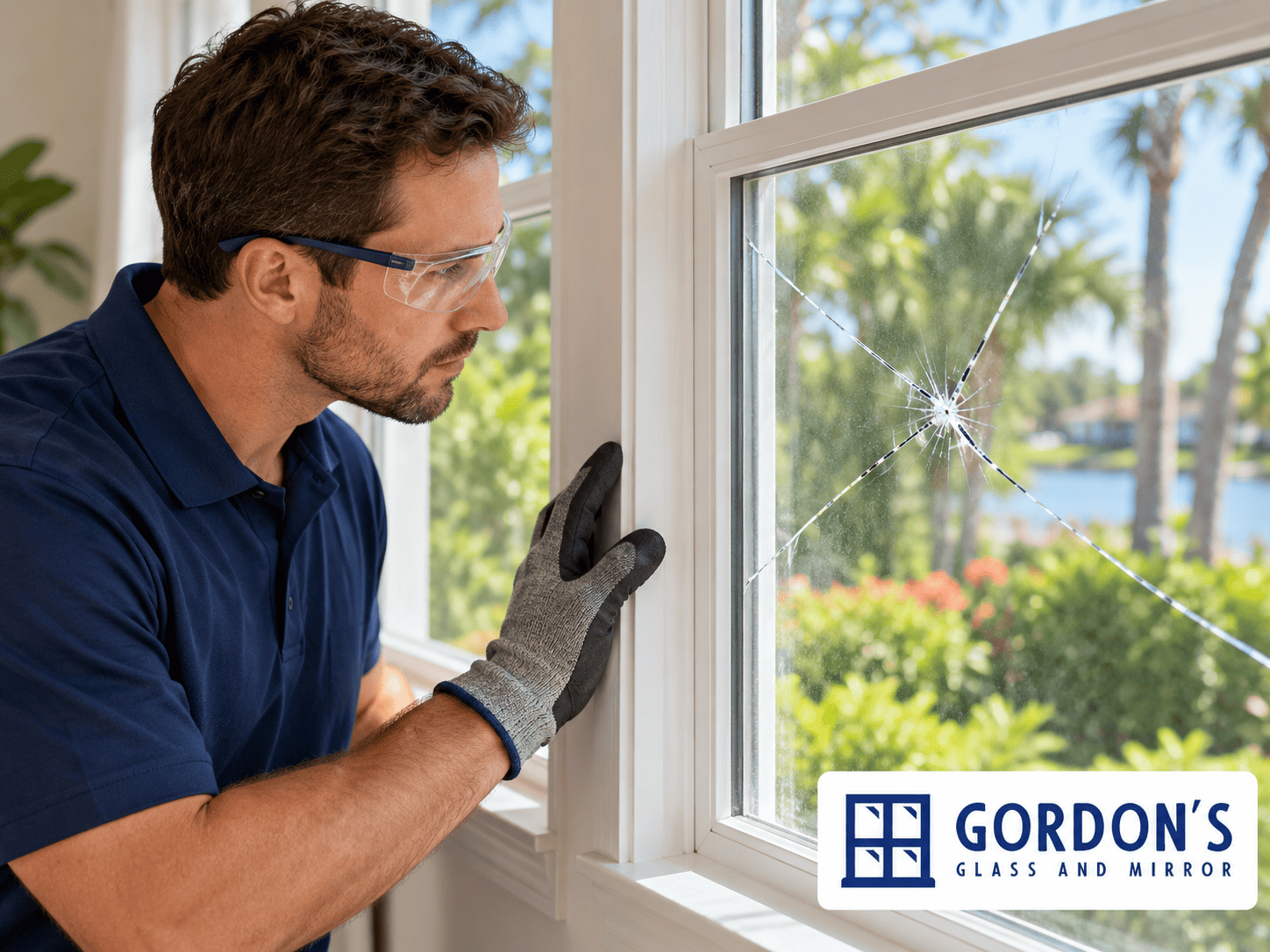
GlassNot every broken window means starting from scratch. Depending on what’s actually wrong, a crack, a chip, a failed seal, a window that won’t open properly, sometimes a targeted repair genuinely resolves the issue without the cost of a full replacement. Other times, replacement really is the more practical, longer lasting choice. Understanding the difference helps you approach window repair in Jacksonville, FL with realistic expectations, rather than assuming every issue automatically requires a brand-new window.
Here’s how to think through whether your specific situation calls for repair or replacement.
When Repair Is Often a Realistic Option
Small Chips or Cracks
A minor chip or a small crack that hasn’t spread significantly can sometimes be repaired, particularly if caught early before it has a chance to expand further across the glass.
Failing Hardware or Mechanisms
If the glass itself is fine but the window won’t open, close, or lock properly, the issue often lies with the frame or hardware rather than the glass, meaning repair to these components can resolve the problem without touching the glass at all.
Minor Seal Issues Caught Early
In some cases, an early stage seal issue on double pane windows can be addressed before significant fogging or moisture buildup develops, though this depends heavily on how early the issue is caught.
Weatherstripping and Draft Issues
If you’re noticing drafts but the glass itself is intact, this often points to worn weatherstripping or frame sealant, both of which can typically be repaired without replacing the window.
When Replacement Is Usually the More Suitable Choice
Cracks That Are Actively Spreading
Once a crack has begun spreading, especially toward the edge of the glass, repair typically isn’t a reliable long term solution, and replacement becomes the safer, more durable choice.
Fogging Inside Double Pane Glass
This indicates a failed seal allowing moisture to enter the sealed glass unit. Since this moisture is trapped inside the sealed unit, cleaning won’t help, and this specific issue typically requires replacing the sealed glass unit rather than a surface repair.
Shattered or Severely Damaged Glass
Complete breakage, whether from impact, storm damage, or attempted entry, clearly requires replacement rather than repair, both for safety and structural integrity.
Extensive Frame Damage
If the surrounding frame has significant rot, warping, or structural damage, replacing the entire window unit often makes more sense than attempting to repair glass within a compromised frame.
How to Know Which Category Your Situation Falls Into
The clearest way to determine this is a professional assessment, since some issues that look minor on the surface, like a small crack near the edge of the glass, can actually indicate a higher risk of spreading that makes replacement the wiser choice, even though repair might seem technically possible.
Why Attempting DIY Fixes Can Sometimes Complicate Things
Temporary fixes, like clear tape over a crack or sealant applied without proper technique, can sometimes make a professional’s job harder later, particularly if adhesives interfere with a clean repair or replacement process. If you’re unsure whether an issue is repairable, it’s generally best to get a professional assessment before attempting anything yourself.
Comparing Repair and Replacement Costs
Repair is typically less expensive than full replacement when it’s actually a viable option for the specific issue. However, a repair that doesn’t fully resolve an underlying problem, like a crack that continues spreading despite an attempted fix, can end up costing more overall than simply replacing the window correctly the first time.
Questions to Ask During an Assessment
- Is this specific type of damage something that can be reliably repaired, or does it need replacement?
- If repair is possible, how long can I expect it to actually hold up?
- How do repair and replacement costs compare for my specific situation?
- If I choose repair now, does that affect my options if the issue returns later?
Final Thoughts
Whether a broken window can be repaired or needs full replacement depends heavily on the specific type and extent of the damage. Minor chips, hardware issues, and early stage problems are often genuinely repairable, while spreading cracks, failed double pane seals, and significant frame damage typically call for replacement. A professional assessment is the most reliable way to know which category your specific situation falls into.
If you’re dealing with a broken or malfunctioning window, Gordon’s Glass & Mirror offers window repair and replacement services for Jacksonville area homes and businesses.
Frequently Asked Questions
1. Can a small chip in a window really be repaired instead of replaced?
Often yes, particularly if it’s caught early before spreading, though a professional assessment can confirm whether repair is a reliable option for your specific situation.
2. Why can’t fogging inside double pane windows just be cleaned?
The fogging occurs because moisture is trapped inside the sealed glass unit, so standard cleaning cannot reach it, and the glass unit typically needs replacement.
3. Is it cheaper to repair a window than replace it?
Generally, yes, when repair is a viable option for the specific issue, though a repair that doesn’t fully resolve the underlying problem can end up costing more in the long run.
4. Should I try a temporary fix myself before calling a professional?
It’s generally best to get a professional assessment first, since temporary fixes can sometimes complicate a proper repair or replacement process later.
5. How do I know if a crack will keep spreading or if it’s stable enough to repair?
This is difficult to determine without professional assessment, since cracks near the edge of the glass or in certain locations are more prone to spreading even if they initially appear minor.
Comments are closed